
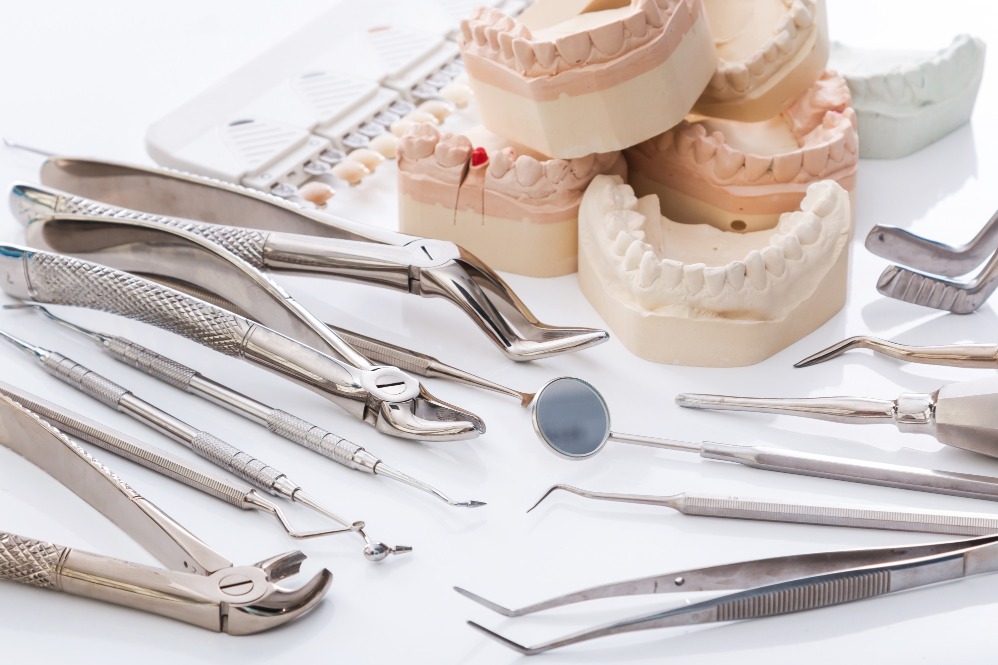
The outcome of many dental procedures depends not only on clinical technique but also on selecting materials appropriate for the intended application. From routine restorations to impressions, bonding and prosthetic procedures, Dental Materials are used throughout everyday dentistry.
For dental clinics and professionals in Begumpet, Telangana, understanding material categories and their clinical purposes can make procurement more systematic while reducing unnecessary product selection based solely on familiarity or price.
What Are Dental Materials?
Dental materials include products designed for preventive, restorative, prosthetic and other clinical applications. Different materials are developed to perform specific functions inside or outside the oral environment.
Common categories can include:
- Restorative materials
- Impression materials
- Luting and cementation products
- Bonding materials
- Temporary restorative products
- Finishing and polishing materials
- Prosthetic and laboratory-related materials
Each category can contain several formulations, making application-specific selection important.
Restorative Materials Have Different Requirements
Restorative dentistry involves rebuilding tooth structure affected by decay, wear, fracture, or previous treatment.
Depending on the procedure, clinicians may consider factors such as handling characteristics, strength, aesthetics, curing requirements, wear resistance, and compatibility with other products.
A material suitable for one restoration may not automatically be appropriate for another. Location of the tooth, restoration size, functional forces, isolation conditions, and treatment objectives can influence the decision.
Impression Materials Require Accuracy and Handling Control
Impressions remain relevant in many conventional and combined digital workflows.
When selecting impression-related Dental Materials, dentists may evaluate dimensional stability, working time, setting time, tear resistance, reproduction of fine details, and compatibility with the intended laboratory process.
Clinical teams should also understand storage and handling recommendations because improper conditions can affect material performance.
Bonding and Cementation Need System Compatibility
Adhesive dentistry often involves multiple products working together.
Bonding agents, primers, cements, restorative materials, and substrate preparation protocols may have specific compatibility requirements. Using products without understanding how they interact can unnecessarily complicate a procedure.
Dentists should follow the manufacturer's instructions and evaluate whether a material system is appropriate for the planned clinical application.
Storage Is Part of Material Management
Purchasing appropriate materials is only the first step. Clinics also need an organized inventory system.
Useful practices include:
- Checking expiry dates when stock arrives.
- Following recommended storage temperatures.
- Rotating inventory so older stock is used appropriately.
- Keeping packaging properly sealed.
- Monitoring frequently consumed products.
- Avoiding unnecessary overstocking.
These simple steps can help clinics maintain a more predictable supply of routinely required products.
Procurement Should Follow Clinical Requirements
Price is naturally part of purchasing decisions, but it should not be considered independently. Product specifications, intended application, handling preferences, storage requirements, consumption rates, and supply consistency are equally relevant.
Dental Wings India Pvt Ltd serves the dental sector with products intended for different clinical requirements. Practices in Begumpet can benefit from evaluating Dental Materials according to procedure-specific needs rather than choosing products through a one-size-fits-all approach.
Material selection ultimately becomes easier when the clinic has clear protocols for frequently performed procedures. By understanding application, compatibility, handling, storage, and inventory requirements, dental teams can make purchasing decisions that support consistent everyday clinical workflows.