

Digital dentistry has changed how many clinics capture, review, store, and share information about a patient's oral structures. One technology playing an important role in this transition is the Dental Intraoral Scanner, which creates digital impressions by capturing detailed images directly inside the mouth.
For dental professionals in Begumpet, Telangana, understanding where intraoral scanning fits into clinical workflows can help when evaluating a transition from conventional impressions to digital processes.
What Does a Dental Intraoral Scanner Do?
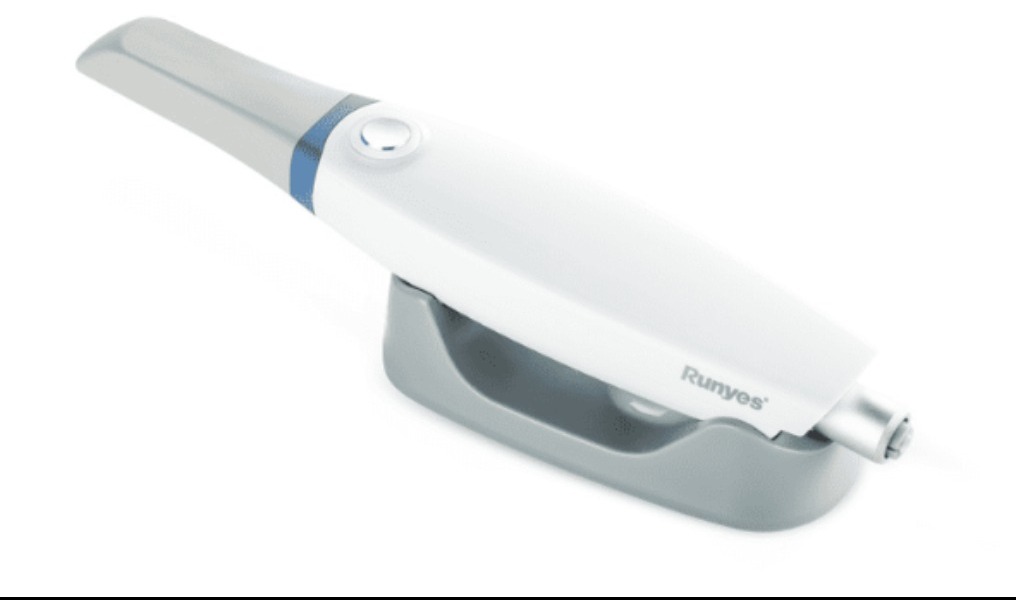
A Dental Intraoral Scanner is a handheld scanning system used to capture the surfaces of teeth, gingiva, and surrounding oral structures. The captured information is processed into a digital three-dimensional model that can be viewed on a connected screen.
Depending on the clinical workflow and compatible software, digital scans may support applications such as:
- Crowns and bridges
- Implant restorations
- Orthodontic assessment
- Aligners
- Digital study models
- Treatment documentation
- Communication with dental laboratories
The actual applications available depend on the scanner, software ecosystem, and clinical requirements.
Digital Impressions Can Simplify Data Capture
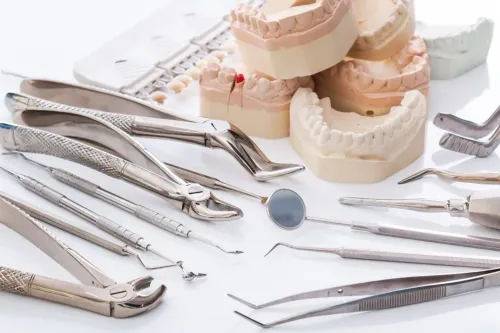
Conventional impressions remain useful in dentistry, but they involve trays, impression materials, setting time, disinfection, storage, and physical transportation.
Digital scanning changes several of these steps. Once captured, a digital impression can usually be reviewed immediately. If an area is incomplete, the clinician may be able to rescan that specific region instead of repeating the entire impression.
This can make the workflow particularly useful in busy practices where predictable chairside processes are important.
Visual Information Can Improve Communication
A major practical advantage of digital scanning is visibility.
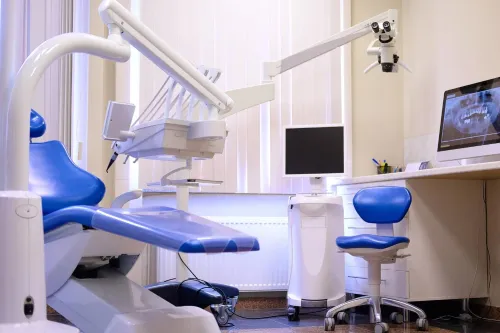
Dentists can display the scanned model on a monitor and use it when explaining specific areas to patients. Magnification and different viewing angles can make certain clinical observations easier to discuss.
Digital models can also support communication between the dental clinic and laboratory because information can be shared electronically where compatible systems are used.
What Should Clinics Consider?
Before introducing scanning technology, clinics should examine more than image quality.
Important considerations include:
- Scanning accuracy for intended applications
- Ease of handling
- Software usability
- File formats and export options
- Laboratory compatibility
- Training requirements
- Software updates
- Technical support
Dental Wings India Pvt Ltd works with dental professionals evaluating equipment for contemporary clinical environments. Clinics in Begumpet can benefit from considering how a scanner will integrate with their existing procedures rather than viewing digital scanning as an isolated technology purchase.
Digital Workflows Need Practical Planning
Introducing a scanner may also require changes in staff routines, case documentation, laboratory coordination, and digital file management.
A Dental Intraoral Scanner becomes most useful when the technology fits naturally into the clinic's treatment processes. Careful evaluation of clinical applications, compatibility, usability, training, and long-term workflow requirements can help dental practices make a more informed transition toward digital impressions.